





Medical articles
Gastric bacteria
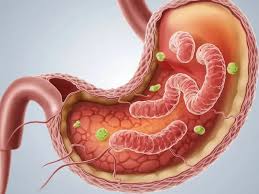
Gastric bacteria, scientifically known as Helicobacter pylori (H. pylori), is a bacterium that lives in the lining of the stomach and is one of the most common causes of digestive diseases worldwide. Although many people are infected without symptoms, its presence can cause serious health problems if not treated.
What is H. pylori?
It is a spiral-shaped bacterium that lives in the acidic environment of the stomach, thanks to a protective coating that shields it from the acid.
It is usually transmitted through contaminated food and water or through close contact between people.
It can remain in the digestive system for a long time without symptoms, but it can cause gastritis, peptic ulcers of the duodenum or stomach, and in rarer cases, it increases the risk of some types of gastrointestinal cancer.
Common symptoms
Pain or burning in the upper abdomen
Nausea or vomiting
Loss of appetite and unintentional weight loss
Persistent belching or feeling full quickly
Anemia due to gastrointestinal bleeding, which may cause pallor and fatigue
How does the bacteria affect health?
Chronic infections can lead to erosion of the stomach lining and ulcers.
In some cases, the infection may be asymptomatic and resolve on its own after treatment or remain untreated.
There may be a link between H. pylori and conditions associated with gastric and duodenal ulcers, chronic gastritis, and some types of advanced stomach cancer.
Diagnostic and treatment methods
Diagnosis: The bacterium can be detected through blood tests that look for antibodies, a breath test (urea breath test), stool tests, or a gastroscopy.
Treatment: Usually involves multiple antibiotics along with a medication that reduces stomach acid secretion (proton pump inhibitors) for about two weeks to two and a half weeks. This treatment requires a prescription from a doctor.
Important notes: It is essential to complete the full course of medication even if symptoms disappear early, and to undergo a confirmatory test after completing treatment according to the doctor’s guidance.
Prevention and health tips
Keep hands clean before meals and after using the bathroom.
Wash foods well and cook them adequately, and avoid unsafe drinking water.
Screen close contacts if cases are identified to enhance the likelihood of recovery and prevent transmission.
Consult a doctor before taking any supplements or medications, especially if you have immune or chronic diseases.
Why is it important to monitor digestive health?
Taking care of your digestive system helps improve daily comfort and prevent complications.
Early medical interventions when symptoms persist help reduce the risk of long-term complications.

Follow Us
Download The App


All rights are reserved @ Almukhtabarat